5×5×0.6mm POD NFC Tag — Injected Into Your Product
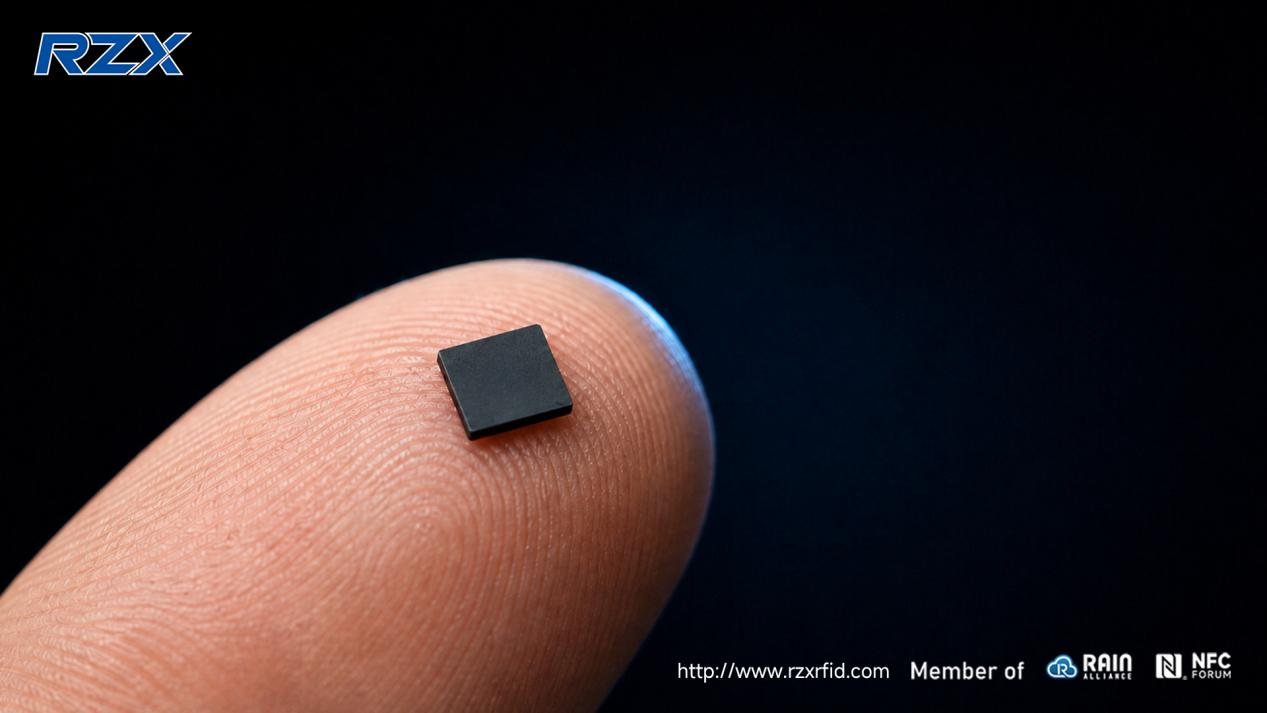
Most NFC tags live on the outside of a product.
What if your product could speak NFC from the inside — without changing how it looks, feels, or ships? The problem with surface-mounted NFC tags
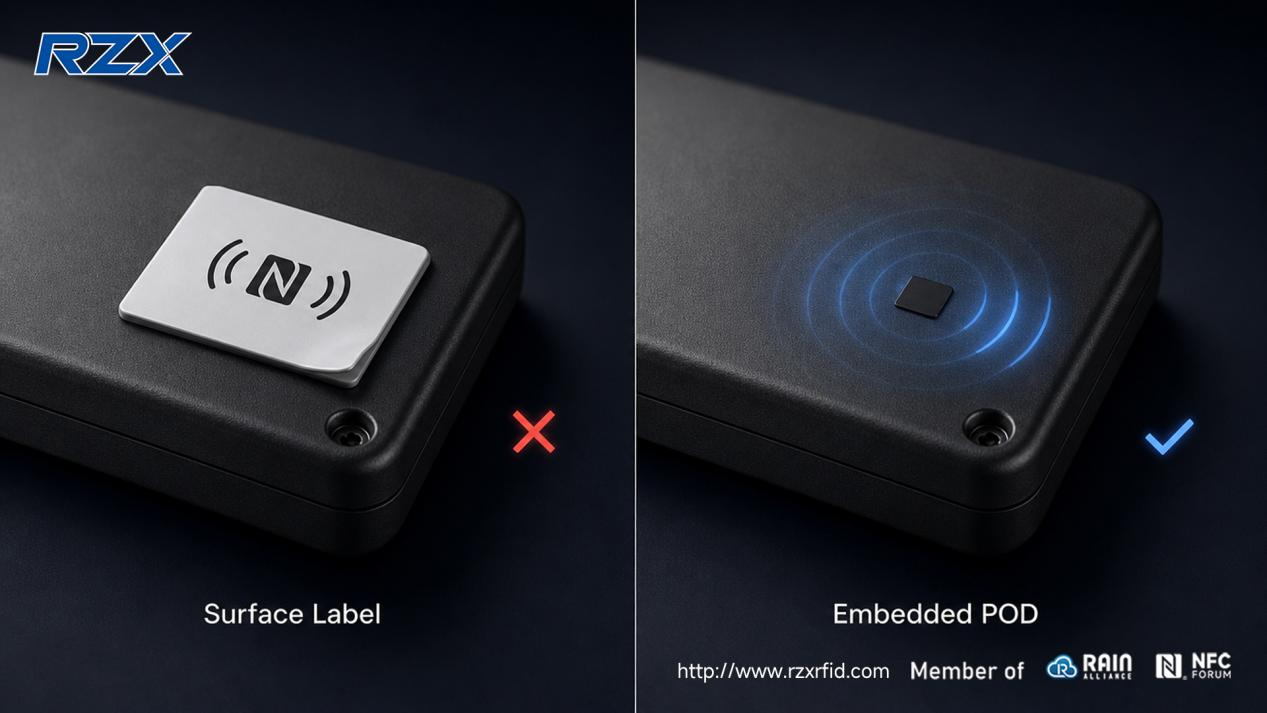
Traditional NFC labels are stuck on, screwed on, or glued on. They add thickness, spoil aesthetics, get scratched, fall off, and can't survive heat, water, or pressure. For product teams working with plastic, rubber, composites, or metal housings, embedding a working NFC tag has been a long-standing headache.
The 5×5×0.6mm POD NFC tag — built to disappear into your product
POD stands for Plastic Overmolded Device — an NFC inlay engineered from day one to be injection-molded directly into the part at the tooling stage. From RZX RFID in Shenzhen, this 5×5×0.6mm square is one of the smallest embeddable NFC tags you can specify on a BOM today.
Why product teams choose embedded POD NFC
- Zero impact on exterior design — no bumps, no stickers, no exposed layer
- Permanent, tamper-proof integration — can't be peeled, swapped, or counterfeited
- Survives the molding process: heat, pressure, shear, and chemical exposure
- Reads reliably through plastic, paint, rubber, and even thin metal layers
- Lowers assembly cost — no secondary label-application step
- Speeds up SMT-free integration with the rest of the product
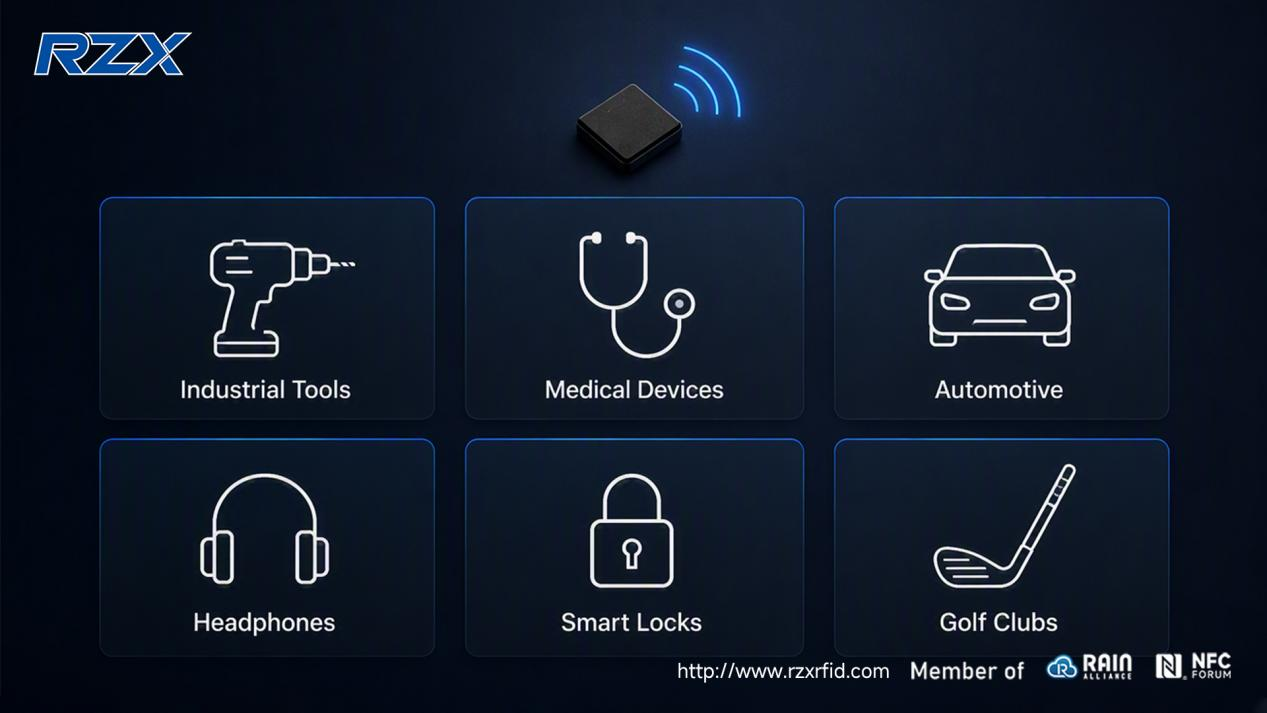
Where it gets used
|
Industry |
Use case |
What the tag does |
|
Industrial equipment & tools |
Power tools, jigs, fixtures, rental assets |
Lifelong asset ID, usage history, anti-theft |
|
Medical devices & surgical instruments |
Reusable instruments, sterilization trays |
Autoclave-safe traceability, UDI compliance |
|
Automotive parts |
Trim, brackets, electronic modules |
Anti-counterfeit, lifecycle tracking, warranty |
|
Consumer electronics |
Headphones, e-cigarettes, smart wearables |
Out-of-box pairing, warranty registration, auth |
|
Smart home & IoT |
Locks, lighting, appliances, sensors |
Tap-to-connect onboarding, identity binding |
|
Sports, toys, premium goods |
Bicycles, golf clubs, collectibles, cosmetics |
Authentication, customer engagement, anti-fake |
Specifications
|
Parameter |
Value |
|
Dimensions |
5 × 5 × 0.6 mm |
|
Frequency |
13.56 MHz (NFC) |
|
Protocol |
ISO 14443 / ISO 15693 / NFC Forum |
|
Chip options |
NXP NTAG, NXP MIFARE, ST25, custom |
|
Memory |
From 144 bytes up to 64 Kbits |
|
Read range |
Up to 5–20 mm depending on housing & reader |
|
Operating temperature |
-40 °C to +85 °C |
|
Integration method |
Plastic overmolding, insert molding, ultrasonic embedding |
|
Survival |
Heat, pressure, water, chemicals, aging |
|
Compliance |
RoHS, REACH, ISO 9001 (factory) |
A note for hardware teams
Embedding an NFC tag is not just about the chip. It is about antenna matching to your final housing material, the right IC choice, the molding temperature, the gate position, and the read zone. Send us your 3D model and material datasheet — our team will come back with a placement drawing, recommended chip, and expected read range inside your product.
Let's build your invisible ID
At RZX RFID, we supply POD NFC tags and embedded inlays to product makers worldwide — from a 100-piece engineering sample to multi-million-piece mass production. DM us, comment below, or email rzxsales@rzxiot.com with your project brief.